
Here’s a
EU Officially Approves the Artificial Intelligence Act


Introduction
The European Union has taken a monumental step in regulating artificial intelligence with the official adoption of the Artificial Intelligence Act, the first sweeping legal framework of its kind worldwide. (المجلس الأوروبي)
The new regulation aims to harmonize rules across the EU’s single market, protect fundamental rights, and foster trustworthy innovation by applying a risk-based approach to AI systems. (المجلس الأوروبي)
1. What is the AI Act?
The AI Act is a regulation adopted by the EU that sets out binding rules for the design, development, deployment, and use of artificial intelligence systems within the EU market. (ويكيبيديا)
Key features include:
-
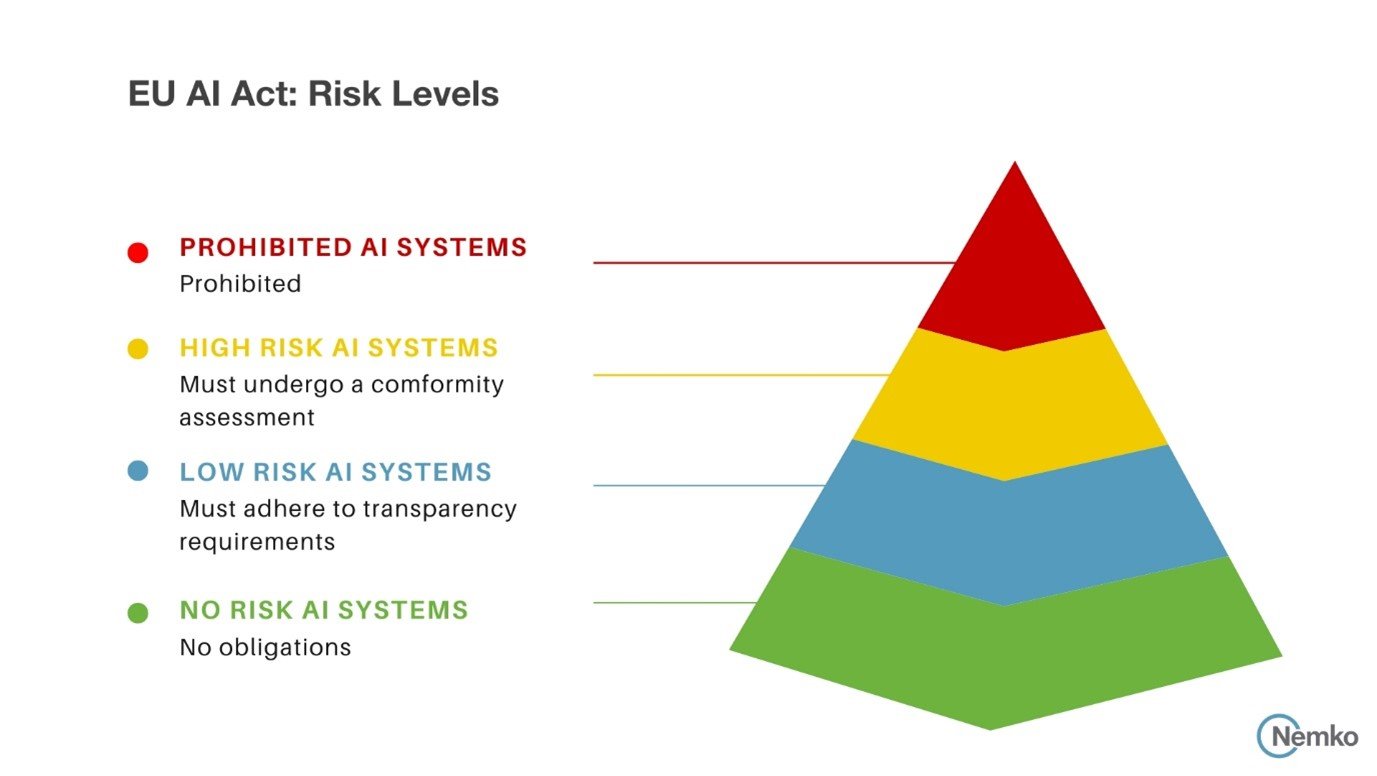
A classification of AI systems by risk (unacceptable risk, high-risk, limited risk, minimal risk) (البرلمان الأوروبي)
-
A ban on certain AI practices deemed unacceptable (e.g., social scoring, untargeted facial recognition databases) (البرلمان الأوروبي)
-
Obligations for high-risk AI systems (transparency, human oversight, documentation, conformity assessments) (European Interest)
-
The provision for gradual application over time, with transition periods for different categories. (LECTURA Press)
2. Why It Matters
Global first
The AI Act marks the world’s first major regulatory framework solely dedicated to AI. The EU hopes it will become a global benchmark. (المجلس الأوروبي)
Balancing innovation and rights
By regulating AI according to risk, the law seeks to protect safety, fundamental rights and democratic values — while still allowing room for innovation and investment in AI across industries. (المجلس الأوروبي)
Market implications
For businesses inside and outside Europe that offer AI systems or deploy them in the EU, this law creates a clear regulatory expectation. It could influence how AI is governed globally.
3. Key Provisions & Highlights
Risk-based categories
-
Unacceptable risk: Certain AI uses (e.g., social scoring by public authorities) are banned outright. (البرلمان الأوروبي)
-
High-risk AI: Systems used in sectors like health, employment, law enforcement must meet strict requirements. (gov.ie)
-
Limited or minimal risk: Lower-risk systems face lighter obligations such as transparency. (المجلس الأوروبي)
Exemptions
The regulation excludes some domains. For example: AI systems used exclusively for military, defence, or purely academic research may be exempt in certain respects. (المجلس الأوروبي)
Transition & enforcement
-
The Act entered into force on 1 August 2024. (ويكيبيديا)
-
Key obligations will be applied in phases: some provisions from February 2025, other high-risk rules by 2026/2027. (LECTURA Press)
Rights & obligations
-
Consumers/users gain rights to meaningful explanations of AI-based decisions. (البرلمان الأوروبي)
-
Providers and deployers must keep documentation, ensure traceability, risk-mitigation, human oversight. (arXiv)
4. Implications for Businesses & Stakeholders
For AI providers
Organizations creating AI models or systems that will be available in the EU must prepare for compliance: adjust development processes, documentation, conformity checks, risk-management systems, governance.
For users and society
The framework offers enhanced protection: greater transparency, safeguards against manipulative AI, more oversight when AI affects rights like privacy, non-discrimination, freedom of expression.
For global players
Because the regulation covers systems placed on the EU market — even if the provider is based outside the EU — many global tech companies are impacted.
For regulators and enforcement
The EU will establish governance structures (e.g., the AI Office) and national competent authorities to oversee and enforce the law. (arXiv)
5. Challenges & Outlook
-
Complexity: Implementing risk-based obligations across many sectors is technically and organisationally demanding. (arXiv)
-
Innovation vs. regulation tension: Some worry that heavy regulation might slow down innovation or burden smaller firms.
-
Global alignment: For non-EU actors, aligning to EU rules could mean additional cost or complexity — but it might also shape global AI regulatory norms.
-
Enforcement and capacity: Effective enforcement will require competent authorities, expertise, coordination across member states.
-
Evolution of AI: Rapid advances in AI (e.g., generative models, foundation models) mean regulatory frameworks must adapt.
6. What This Means for You
Whether you are a developer, business leader, policymaker, or user of AI systems:
-
If you’re offering AI services in or to the EU, you should audit and map how the AI Act affects your products or operations.
-
If you’re using AI systems (especially high-risk ones), expect more transparency and oversight, and ensure your vendor is compliant.
-
If you are outside the EU but your service reaches EU users, you will likely need to observe EU obligations.
-
For entrepreneurs and startups (for example in your region), understanding the EU trend can help you prepare for potential future regulations and competitive landscapes.
Conclusion
The EU’s approval of the Artificial Intelligence Act represents a landmark moment in the regulation of AI. For the first time, a major jurisdiction has adopted a comprehensive, risk-based legal framework for artificial intelligence — balancing innovation with rights and safety.
While challenges remain in implementation, enforcement, and keeping pace with fast-moving technology, the Act is poised to shape the future of AI governance globally. As AI systems become more pervasive, frameworks like this will determine how society harnesses their benefits while managing risks.
Sources
-
“Artificial intelligence (AI) act: Council gives final green light to the first worldwide rules on AI”, Press Release, Council of the European Union, 21 May 2024. (المجلس الأوروبي)
-
“Artificial Intelligence Act: the EU’s first ever law on AI is officially published”, Lectura Press. (LECTURA Press)
-
“Artificial Intelligence Act: deal on comprehensive rules for trustworthy AI”, European Parliament news. (البرلمان الأوروبي)